
makeup table with lighted mirror
Understanding the 3% and 4% Butterfly Valve An Overview Butterfly valves are essential components in various industrial applications, primarily due to their efficient flow control capabilities and compact design. Among the various specifications available in the market, the 3% and 4% butterfly valves have gained attention for their precise regulation of fluid flow, making them a preferred choice in different sectors such as water treatment, oil and gas, and chemical processing. Understanding the 3% and 4% Butterfly Valve An Overview The 3% butterfly valve is designed for applications requiring a small flow rate control. These valves are ideal for situations where precise adjustments are necessary, such as in systems where the fluid dynamics must be closely monitored. The significant advantage of a 3% opening is that it allows for fine-tuning of flow, making it suitable for applications such as laboratory processes or sensitive chemical reactions where excessive flow could result in adverse outcomes. 3 4 butterfly valve On the other hand, the 4% butterfly valve provides a slightly broader range of flow control. This valve is excellent for medium-sized flow applications, offering a balance between versatility and precision. Industries that rely on the 4% butterfly valve often include those where moderate flow regulation is essential, such as in HVAC systems or larger water distribution networks. The valve's design allows for quick operation, making it a favorite for systems that require the capacity to open and close rapidly in response to fluctuating operational demands. Both the 3% and 4% butterfly valves come with various materials and actuator options, allowing for customization based on specific environmental conditions, such as temperature and pressure. This adaptability enhances their applicability across multiple industries, ensuring durability and reliability in performance. In summary, the choice between a 3% and a 4% butterfly valve largely depends on the specific needs of the application at hand. By understanding the functionalities and advantages of each type, engineers and operators can make informed decisions that enhance the efficiency and safety of their systems. Whether it involves fine-tuning flow rates in sensitive settings or managing moderate flows in larger systems, these butterfly valves play a crucial role in ensuring optimal fluid control across various industrial processes.
about
makeup table with lighted mirror
The Importance of Steady Pad Anti-Vibration Solutions In various industrial and domestic applications, vibration can pose significant challenges, affecting not only equipment performance but also operator safety and comfort. One effective and increasingly popular solution to mitigate these issues is the use of steady pad anti-vibration systems. This innovative technology has gained attention for its ability to absorb shocks and reduce vibrations, promoting a more stable and efficient working environment. Understanding Vibration and Its Effects Vibration is an oscillatory motion, which can be caused by various factors, including mechanical imbalance, external forces, or even environmental factors such as wind or earthquakes. In industrial settings, excessive vibration can lead to equipment failure, decreased productivity, and increased maintenance costs. Additionally, prolonged exposure to vibrations can have detrimental effects on human health, leading to conditions such as Hand-Arm Vibration Syndrome (HAVS) and other musculoskeletal disorders. Therefore, it is crucial to address vibration issues with effective solutions like steady pad anti-vibration systems. What are Steady Pad Anti-Vibration Systems? Steady pad anti-vibration systems are specially designed pads that utilize advanced materials to absorb and dissipate vibrational energy. These pads can be manufactured from various materials, including rubber, polyurethane, or composite materials, and are engineered to provide optimal support and shock absorption. The unique design allows them to conform to the contours of the surface they are placed on, ensuring maximum contact and efficacy. The main purpose of steady pad anti-vibration systems is to create a barrier between the vibrating equipment and the surface it rests on. By isolating the vibrations, these pads help protect both the equipment and the surrounding environment. They are commonly used in machinery installations, HVAC systems, and even household appliances, where vibration control is essential. Benefits of Using Steady Pad Anti-Vibration Systems steady pad anti vibration 1. Enhanced Equipment Longevity By minimizing the effects of vibrations, steady pad systems contribute to the longevity of equipment. This helps to reduce wear and tear on components, leading to fewer breakdowns and lower replacement costs. 2. Improved Performance Equipment subjected to excessive vibration tends to underperform. Implementing steady pad systems can lead to more stable operations, resulting in improved productivity and efficiency. 3. Increased Operator Safety and Comfort Reducing vibrations not only protects machinery but also creates a safer and more comfortable workplace for operators. This is particularly important in industries where workers are in proximity to heavy machinery for extended periods. 4. Noise Reduction Vibrations often lead to increased noise levels, which can be disturbing and even harmful in certain environments. Steady pad systems help minimize noise by absorbing vibrations that would otherwise contribute to sound. 5. Cost-Effectiveness While there may be initial costs associated with purchasing and installing steady pad systems, the long-term savings from reduced maintenance, fewer repairs, and extended equipment life ultimately make them a cost-effective solution. Conclusion In summary, steady pad anti-vibration systems represent a critical advancement in vibration management across various industries. Their ability to protect equipment, enhance performance, and safeguard operators makes them an essential investment for businesses aiming to create a stable and productive work environment. As technology continues to evolve, the importance of incorporating effective vibration control measures like steady pad systems will only grow, ultimately leading to safer, more efficient industrial and personal spaces.
-

High quality industrial productsagement

High quality industrial products
View Details -

Meet the diverse needs of customers

Meet the diverse needs of customers
View Details -

Strict quality control

Strict quality control
View Details -

Top raw materials

Top raw materials
View Details -

Trusted supplier

Trusted supplier
View Details
Our application

news and information
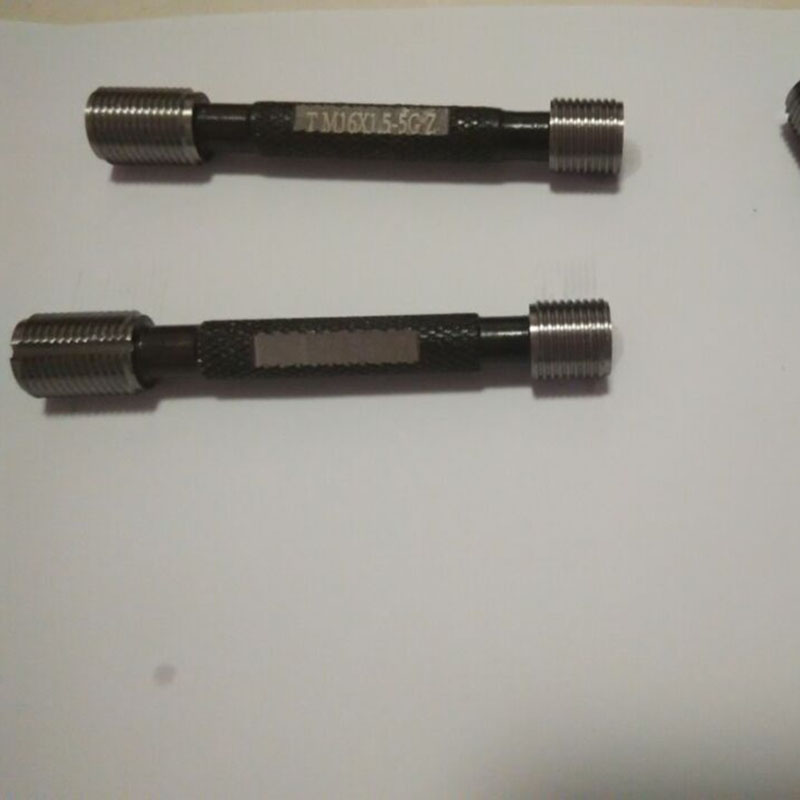
Y Type Strainer Cost Comparison and Market Insights for 2023
Understanding the Price Dynamics of Y Type Strainers Y type strainers are essential components in a

Versatile L-Shaped Metal Ruler for Precision Measuring and Layout Tasks
The Versatility of the Metal L-Shaped Ruler In the realm of tools and instruments, few items are as
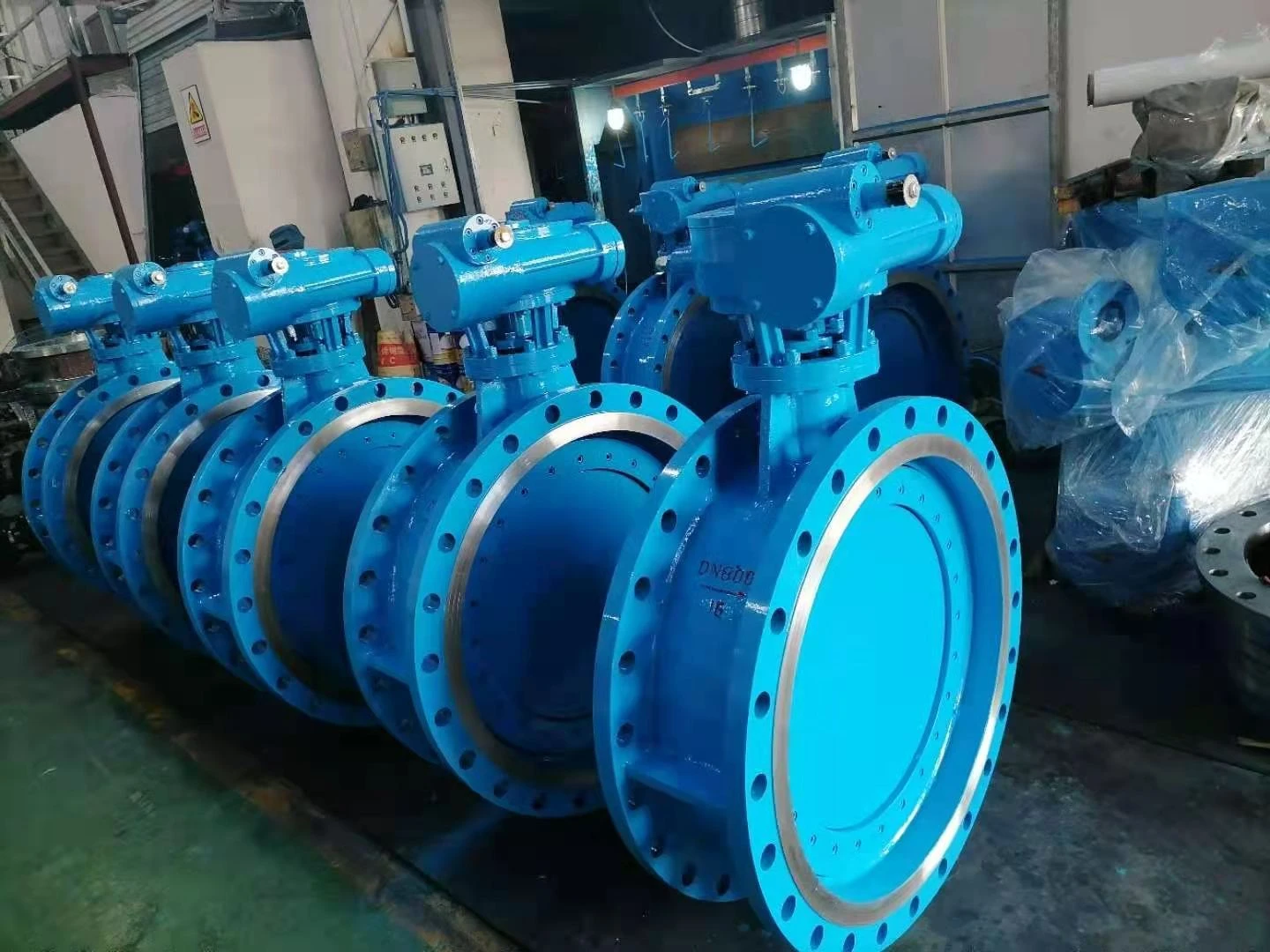
Valvola a farfalla da 250 mm per applicazioni industriali e sistemi di controllo del flusso
Valvola a Farfalla da 250 mm Un Componente Essenziale per la Regolazione dei Fluidi La valvola a far
 English